
Balat and Fener: Istanbul’s Colourful Golden Horn Quarters
Bay-windowed houses, historic churches and a synagogue on the Golden Horn
In short: Fener and Balat are neighbouring historic quarters on the Golden Horn shore, in the Fatih district of Istanbul’s Historic Peninsula. For centuries they were home to Greek Orthodox, Jewish and Armenian communities, and today they are known for their colourful houses with bay windows, the seat of the Ecumenical Patriarchate, the cast-iron Bulgarian St Stephen Church and the Ahrida Synagogue. The easiest way there is the T5 tram from Eminönü or the Golden Horn ferry.
Last checked: 11 November 2026. Opening hours of places of worship change and are not always published; check before you go.
Two neighbourhoods, many communities
The name Fener comes from the Greek Phanarion, “lighthouse”. Many of Fener’s Greek families worked as translators and officials for the Ottoman state, while Balat, next door, was a busy commercial quarter with Jewish-owned workshops of glassmakers, fez makers and antique dealers. The houses are wooden or masonry, with projecting bay windows called cumba.
Between 2003 and 2008 an EU-funded rehabilitation programme, run with Fatih Municipality and prepared with a feasibility study involving UNESCO, restored 87 houses and 33 shops in the historic market. In the early 2020s the municipality repainted and restored hundreds of façades, which is why so many houses are now so bright. Many have become cafés and small guesthouses.
What to see
- The Ecumenical Patriarchate and the Church of St George (Fener): the seat of the Ecumenical Patriarchate of Constantinople. The church became the patriarchal seat around 1600; it was rebuilt after a fire in 1720 and has been restored several times since. It holds relics returned by Pope John Paul II in 2004. It is an active church that welcomes visitors; entry is free and donations are welcome.
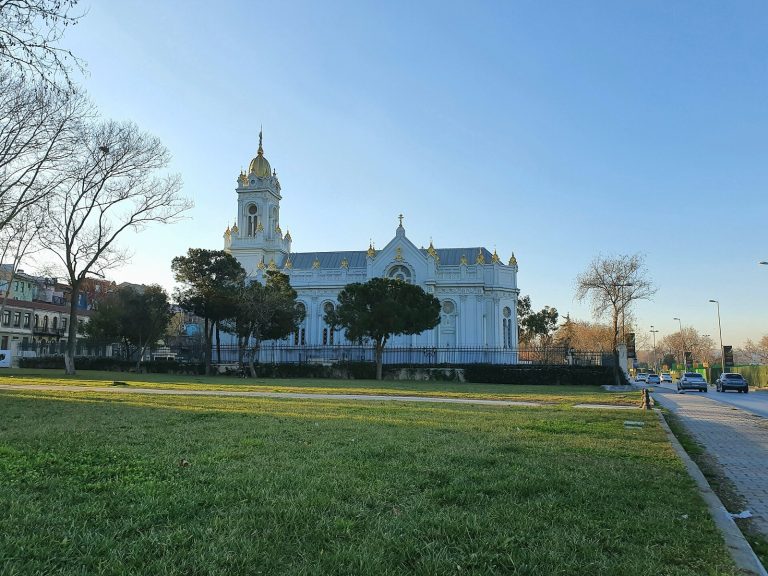
- Bulgarian St Stephen Church (Balat): a rare church built from prefabricated cast-iron parts made in Vienna and shipped down the Danube, designed by the Ottoman Armenian architect Hovsep Aznavur and consecrated in 1898. After a restoration from 2011, funded jointly by the Istanbul Metropolitan Municipality and Bulgaria, it reopened in January 2018.
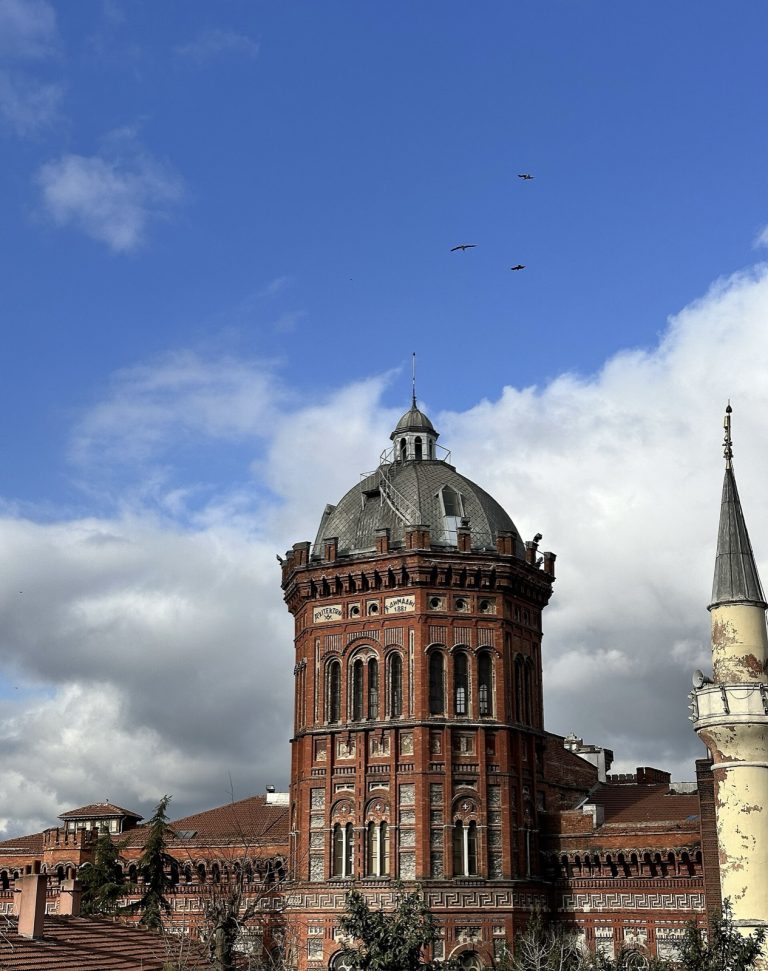
- Phanar Greek Orthodox College (“Red School”): the red-brick building on the hill above the Patriarchate, built in the early 1880s and visible from the Golden Horn. It is a working school, so you see it from outside only.
- Ahrida Synagogue (Balat): dating from the early 15th century and traditionally said to be Istanbul’s oldest synagogue, named after Ohrid, where its founders came from. Its boat-shaped teva (reading platform) is traditionally linked to Noah’s Ark or to the ships that brought Sephardic Jews from Spain in 1492. Visits only with an advance appointment.
- Church of St Mary of the Mongols: a 13th-century church linked to the Byzantine princess Maria Palaiologina; it is described as the only church in the city in continuous Orthodox use since Byzantine times. It is not regularly open to visitors.
- The streets: Merdivenli Yokuş, a stepped street of colourful houses, is the best-known photo spot. Yıldırım and Vodina streets have cafés, and the slope of Camcı Çeşmesi is known for its colourful doors.
Nearby: Chora (Kariye) Mosque
Up the hill at Edirnekapı, the former Chora Church, famous for its Byzantine mosaics and frescoes, reopened as a mosque on 6 May 2024. Tourists can visit except on Fridays, visits pause before each prayer time, and some images in the prayer hall are covered during prayers. Usual mosque rules apply: shoes off, modest clothing, and women cover their hair. Foreign visitors pay an entry fee.
Getting there
- By tram: the T5 tram (Eminönü–Alibeyköy) has its own Fener and Balat stops. At Eminönü it connects with the T1 tram, Marmaray and the ferries; at Küçükpazar with the M2 metro.
- By ferry: Şehir Hatları ferries on the Golden Horn (Haliç) line call at the Fener and Balat piers. Timetables change, so check the official Şehir Hatları site.
- Paying: use your Istanbulkart. See getting around Istanbul.
Visiting tips
- Respect the residents: these are living neighbourhoods and many houses are private homes. Ask before photographing people.
- Wear comfortable shoes: the streets climb steeply from the shore, and many are cobbled or stepped.
- Go early: Merdivenli Yokuş gets busy later in the day.
- Dress modestly for churches, the synagogue and mosques, and keep quiet during services.
- Walk the shore: a promenade and cycle path run along the Golden Horn.
Combine Fener and Balat with the Spice Bazaar and Süleymaniye: take the T5 tram from Eminönü after the bazaar, and walk back along the Golden Horn.
Book tours & tickets
🎟️ See all tours →Free cancellation on most tours · secure booking with GetYourGuide
Sources we checked (November 2026): Go Türkiye: Fener and Balat · Visit Istanbul: Balat · Visit Istanbul: Ahrida Synagogue · Ecumenical Patriarchate: Church of St George · Anadolu Agency: the Iron Church · Hürriyet Daily News: St Stephen reopens · EU Delegation: Fener–Balat rehabilitation · Hürriyet Daily News: façade restoration · Daily Sabah: Kariye Mosque opens · Hürriyet Daily News: Kariye on Fridays · Metro Istanbul: T5 tram · Şehir Hatları: Balat pier (Turkish)
Balat and Fener: questions
How do I get to Balat and Fener?
Take the T5 tram from Eminönü to the Fener or Balat stop, or the Golden Horn (Haliç) ferry to the Fener or Balat pier. Pay with an Istanbulkart.
Can you visit the Ecumenical Patriarchate?
Yes. The Patriarchal Church of St George is an active church that welcomes visitors; entry is free and donations are welcome. Dress modestly and expect limited access during services.
Can I visit the Ahrida Synagogue?
Only with an advance appointment, usually arranged through the Chief Rabbinate or a licensed guide. Modest dress and a head covering are required.
Why are the houses in Balat so colourful?
An EU-funded rehabilitation programme restored 87 houses and 33 shops between 2003 and 2008, and in the early 2020s Fatih Municipality repainted hundreds of façades in bright colours.
Is the Chora (Kariye) open to tourists?
Yes. It has been a mosque since 6 May 2024 and is open to tourists except on Fridays, with pauses before each prayer time.
Header photo: colourful houses in Balat. Photo: Antoloji, CC BY-SA 4.0, via Wikimedia Commons (cropped). Church of St George photo: Klearchos Kapoutsis, CC BY 2.0.
No visitor reviews for this place yet. Have you been here? Rate it and help other travellers.
Share your experience →Share your memories and tips with other travellers. Your story will appear on our blog with your name.