
Museum of Anatolian Civilizations, Ankara: A Visitor’s Guide
From Çatalhöyük to the Hittites, Phrygians and Urartians, in two Ottoman buildings
In short: the Museum of Anatolian Civilizations, on the south side of Ankara Castle, tells the story of Anatolia from the Stone Age to the Classical period, in galleries laid out in time order. Highlights include finds from Çatalhöyük, the bronze standards of Alacahöyük, cuneiform tablets from Kültepe, Hittite stone reliefs and furniture from the Midas Tumulus at Gordion. It was named European Museum of the Year in 1997.
Last checked: 11 November 2026. Note: according to the official museum page, the Ankara Hall and the Classical Hall are closed for repairs from 14 September 2026 to 2 March 2027. Opening hours: check before you go.
The buildings and the museum’s story
- Two Ottoman buildings: the exhibits are in the 15th-century Mahmut Paşa Bedesten, a covered market; the neighbouring Kurşunlu Han holds the library, laboratories and workshops.
- Beginnings: Ankara’s first museum was set up in 1921 in the Akkale bastion of the castle. Atatürk wanted a Hittite museum, and Hittite finds were brought to Ankara.
- Restoration: the buildings were restored between 1938 and 1968, and the central part opened in 1943.
- Award: in 1997 it was named European Museum of the Year.
What to see, period by period
- Neolithic, Çatalhöyük: the famous seated female figure between two big cats (the “Mother Goddess”) and a wall painting often described as one of the earliest town plans.
- Early Bronze Age, Alacahöyük: bronze “sun disc” ceremonial standards and stag figures from the royal tombs.
- Assyrian Trade Colonies, Kültepe: clay tablets in cuneiform, the earliest writing found in Anatolia, mostly about trade.
- Hittites: bull and stag figures, and the letter from Nefertari, queen of Ramesses II of Egypt, to the Hittite queen Puduhepa, found at Boğazköy.
- The central hall: large Hittite and Late Hittite stone reliefs from Arslantepe (Malatya), Alacahöyük and Carchemish.
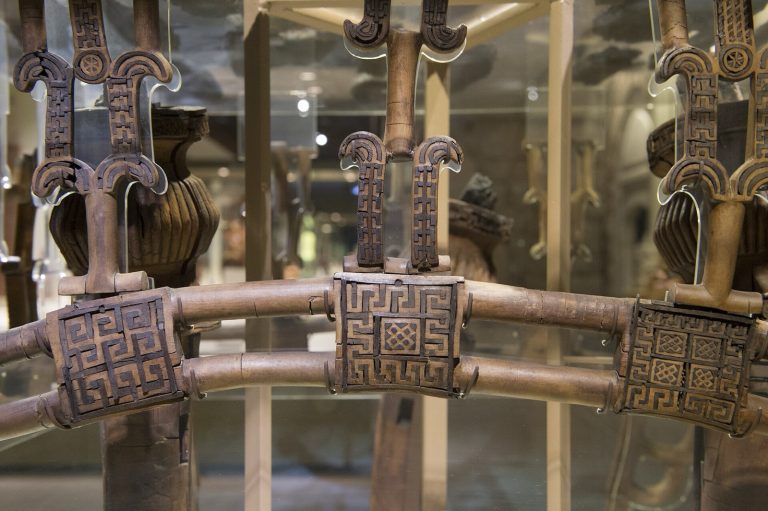
- Phrygians: finds from Gordion, including inlaid wooden furniture from the Midas Tumulus.
- Urartu: fine metalwork from the kingdom of Urartu in eastern Anatolia.
- Lower floor: the Classical periods and “Ankara through the Ages” (see the repair note above).
Plan your visit
- Where: just below the walls of Ankara Castle, in the old town.
- Nearby: the Çengelhan Rahmi M. Koç Museum and the Erimtan Archaeology and Arts Museum are a short walk away.
- Then: see where the Phrygian finds came from on a day trip to Gordion, a UNESCO World Heritage Site since 2023, and visit Anıtkabir.
Sources we checked (November 2026): Ministry museums portal: Museum of Anatolian Civilizations · Wikipedia: Museum of Anatolian Civilizations · Go Türkiye: the museum · Lonely Planet: the museum · Google Arts & Culture (Ministry of Culture and Tourism) · Wikipedia: Seated Woman of Çatalhöyük · Hürriyet Daily News: the museum turns 100
Museum of Anatolian Civilizations: questions
What is the Museum of Anatolian Civilizations famous for?
Its chronological galleries of Anatolian history, from Çatalhöyük and Alacahöyük to the Hittites, Phrygians and Urartians. It was named European Museum of the Year in 1997.
Is the whole museum open?
According to the official museum page, the Ankara Hall and the Classical Hall are closed for repairs from 14 September 2026 to 2 March 2027. Check before you go.
Where is the museum?
In Ankara’s old town, on the south side of Ankara Castle, in the Mahmut Paşa Bedesten and Kurşunlu Han.
Header photo: the museum entrance. Photo: Georges Jansoone (JoJan), CC BY-SA 3.0, via Wikimedia Commons (resized).
No visitor reviews for this place yet. Have you been here? Rate it and help other travellers.
Share your experience →Share your memories and tips with other travellers. Your story will appear on our blog with your name.