
Ankara Travel Guide: Things to Do in Türkiye’s Capital
Anıtkabir, world-class museums, a hilltop castle and Roman remains
In short: Ankara, in Central Anatolia, has been Türkiye’s capital since 13 October 1923, two weeks before the Republic was proclaimed. The province has about 5.9 million people (end of 2025). Most visitors come for Anıtkabir, Atatürk’s mausoleum, and the Museum of Anatolian Civilizations. The old town around the castle, Roman remains and day trips to Gordion and Beypazarı fill another day or two. Ankara is also where the Touristic Eastern Express to Kars begins.
Last checked: 11 November 2026. Opening hours change and sources don’t agree on them, so check before you go. We don’t list prices.
Top sights in Ankara
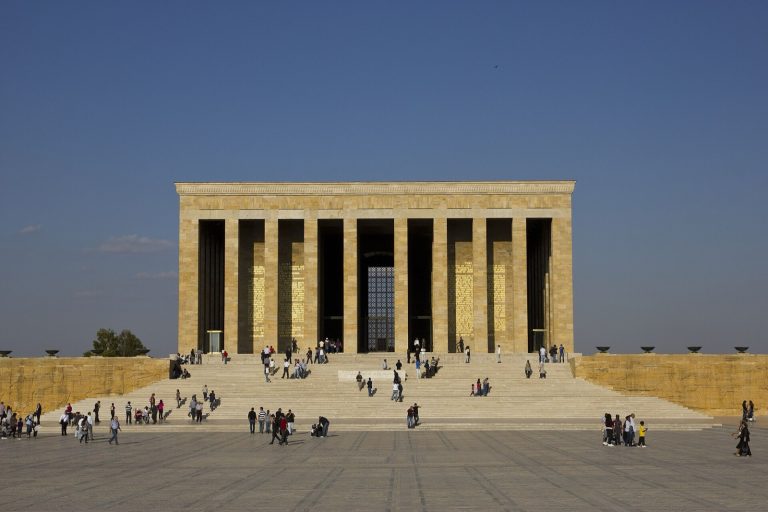
- Anıtkabir: Atatürk’s mausoleum on Anıttepe hill, completed in 1953. You walk up the Lion Road, lined with 24 lions, to the Ceremonial Plaza and the Hall of Honour, with a museum underneath. There are security checks, and visitors are expected to dress and behave respectfully.
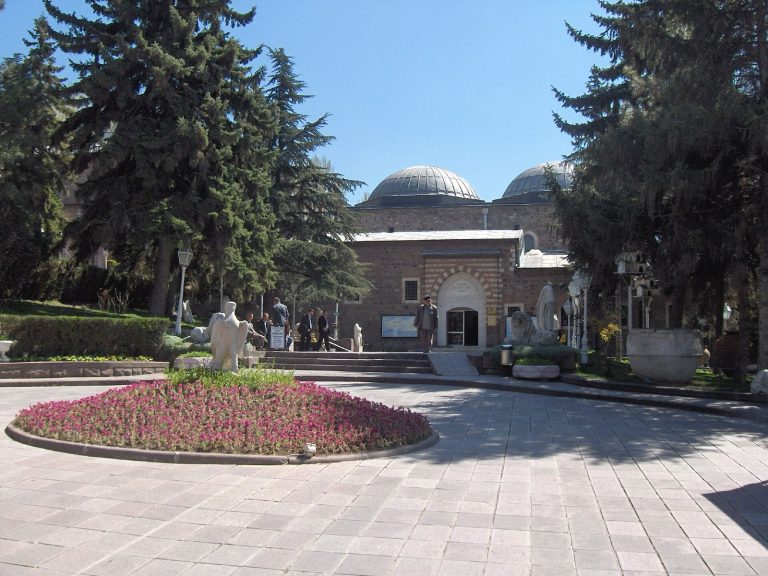
- Museum of Anatolian Civilizations: housed in two 15th-century Ottoman buildings, the Mahmut Paşa Bedesten and Kurşunlu Han, on the south side of Ankara Castle. It was named European Museum of the Year in 1997.
- Ankara Castle: the old citadel on a rocky hill above the old city, with wide views over Ankara.
- Temple of Augustus and Rome: in Ulus, beside Hacı Bayram Mosque. Its walls carry the Res Gestae Divi Augusti, the emperor Augustus’s account of his own deeds, in Latin and Greek.
- Hacı Bayram Mosque: dating from the early 15th century. “Hacı Bayram Mosque and its Surrounding Area” has been on UNESCO’s Tentative List since 2016.
- Roman Baths: a 3rd-century AD bath complex from the reign of Caracalla, now an open-air museum on Çankırı Caddesi in Ulus.
- Kocatepe Mosque: built between 1967 and 1987 in Kızılay, the largest mosque in the city.
10 November at Anıtkabir
Every year on 10 November at 09:05, the moment Atatürk died in 1938, sirens sound across Türkiye and the country stops for a minute’s silence. Huge crowds visit Anıtkabir that day. If you are in Ankara on 10 November, expect very busy crowds and security at Anıtkabir. Republic Day, 29 October, is also a big day in the capital.
More museums
- War of Independence Museum: the first Grand National Assembly building in Ulus, used as the parliament from 23 April 1920.
- Erimtan Archaeology and Arts Museum: a private museum opposite the castle gate, opened in 2015, with Anatolian finds from about 3000 BC to the Byzantine period.
- Çengelhan Rahmi M. Koç Museum: an industry and technology museum, opened in 2005 in Çengelhan, an Ottoman caravanserai of 1523 facing the castle.
- CerModern: a contemporary arts centre in former railway maintenance sheds, opened in 2010.
Parks
- Atatürk Forest Farm (AOÇ): founded by Atatürk in 1925, with a zoo dating from 1933 and a replica of the house in Thessaloniki where Atatürk was born.
- Gençlik Parkı: the “Youth Park” in Ulus, opened in 1943.
- Kuğulu (Swan) Park: a small park in Kavaklıdere at the end of Tunalı Hilmi Caddesi.
- Lake Mogan: at Gölbaşı, south of the city, a picnic and recreation area that is good for birdwatching.
Day trips from Ankara
- Gordion: the capital of ancient Phrygia, in Polatlı district. It became Türkiye’s 20th UNESCO World Heritage Site in September 2023.
- Beypazarı: a town of Ottoman houses, about an hour and a half from Ankara, known for Beypazarı kurusu (a crisp butter biscuit) and silver filigree work.
- Kızılcahamam and Soğuksu National Park: a thermal spa town with forested national park next to it, about 80 km north of Ankara.
- Haymana: a thermal spa town about 70 km south of Ankara.
- Lake Tuz (Salt Lake): Türkiye’s second-largest lake, very salty, shared by Ankara, Konya and Aksaray provinces, and a major flamingo breeding site.
Getting there and around
- By air: Esenboğa Airport is about 30 km north-east of the centre. EGO city bus 442 and airport shuttle buses run to Kızılay and to AŞTİ, the intercity bus station.
- By high-speed train (YHT): lines link Ankara with Eskişehir (since 2009), Konya (2011) and Istanbul (2014). Book at TCDD Taşımacılık’s official website, app or station offices.
- East by train: the Touristic Eastern Express runs to Kars in winter, a good way to reach Lake Çıldır.
- In the city: EGO runs the metro lines, the Ankaray light rail and city buses. Pay with a contactless AnkaraKart, sold at metro station machines and kiosks.
Food and local products
- Ankara tava: a local meat-and-rice dish, registered as a Turkish geographical indication. Ankara simidi, Ankara döneri and Ankara tiftiği (mohair) are registered too.
- Ankara simit: smaller and crunchier than the Istanbul version.
- Also look for: Beypazarı kurusu, Kalecik Karası red wine and Çubuk pickles.
- Why “Angora”? Angora is Ankara’s old European name, which is where the Angora goat (source of mohair) and the Turkish Angora cat get their names.
When to visit
Ankara has a continental climate: cold, snowy winters, with snow common from December to February, and hot, dry summers. Spring (April to June) and autumn (September and October) are the most comfortable times for sightseeing. The Ankara International Music Festival is held every spring.
Planning a longer trip? See getting around Turkey, Istanbul to Cappadocia and the best time to visit Turkey.
Sources we checked (November 2026): Go Türkiye: Ankara · Wikipedia: Ankara · Wikipedia: Museum of Anatolian Civilizations · Hürriyet Daily News: Museum of Anatolian Civilizations turns 100 · Penn Museum: Gordion on the UNESCO list · Turkish Ministry of Foreign Affairs: Gordion inscription · Wikipedia: Gordion · UNESCO Tentative List: Hacı Bayram · Turkish Archaeological News: Temple of Augustus · Wikipedia: Roman Baths of Ankara · Erimtan Museum · Turkey Travel Planner: Çengelhan · Architizer: CerModern · Turkey Travel Planner: Museum of Anatolian Civilisations · Wikipedia: Atatürk Forest Farm · Go Türkiye: Beypazarı day trip · Wikipedia: Lake Tuz · Anadolu Agency: 10 November · TÜRKPATENT: Ankara tava · EGO (Ankara public transport) · Wikipedia: High-speed rail in Turkey
Ankara: questions
Is Ankara worth visiting?
Yes, especially for Anıtkabir, Atatürk’s mausoleum, and the Museum of Anatolian Civilizations, named European Museum of the Year in 1997. The castle quarter, Roman remains and day trips to Gordion (a UNESCO site since 2023) and Beypazarı add more.
How do I get from Istanbul to Ankara?
The high-speed train (YHT) has linked Istanbul and Ankara since 2014, and there are frequent flights and intercity buses. Book trains through TCDD Taşımacılık’s official channels.
What happens on 10 November in Ankara?
At 09:05, the moment of Atatürk’s death in 1938, sirens sound and the whole country stops for a minute’s silence. Huge crowds visit Anıtkabir that day.
How do I pay for public transport in Ankara?
With an AnkaraKart, a contactless card used on the metro, the Ankaray light rail and EGO buses, sold at metro machines and kiosks.
What is Ankara famous for food?
Ankara tava, a registered geographical indication, as well as Ankara simit, Beypazarı kurusu biscuits and Kalecik Karası wine.
Header photo: Ankara Castle. Photo: Diego Delso, CC BY-SA 4.0, via Wikimedia Commons (resized).
No visitor reviews for this place yet. Have you been here? Rate it and help other travellers.
Share your experience →Share your memories and tips with other travellers. Your story will appear on our blog with your name.